
Under the umbrella of smart agronomy, we gathered crop improvement, biostimulants and precision agronomy, all united to improve crops’ productivity. Each of the three sections is represented by a competent Subject Editor, who is in charge of the section.
Crop Improvement
We welcome manuscripts covering plant breeding (e.g. marker-assisted selection) and quantitative genetics, genetically modified (including genome editing) plants with the aim of improving plant yield, quality and resistance to disease or stress, and all artificial intelligence for crop biotechnology (AI+BT) related studies are welcome.
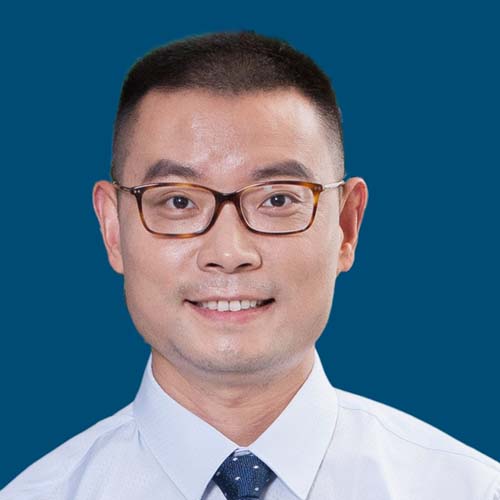
Subject Editor
Cao
Xu

Institute of Genetics and Developmental Biology, CAS-JIC Centre of Excellence for Plant and Microbial Science (CEPAMS), China
Areas of expertise: crop genetics, de novo domestication, genome editing and crop design, plant development and stress resilience
caoxu@genetics.ac.cn Research webpage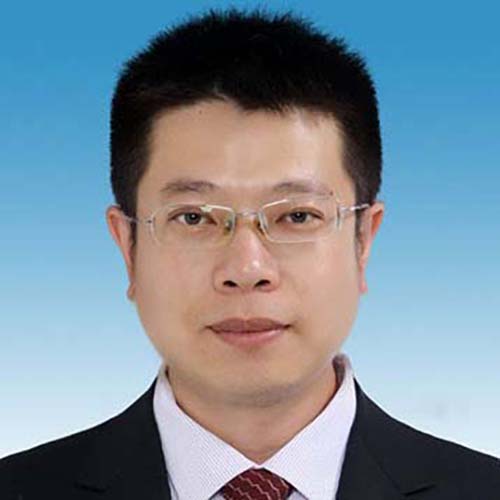
Subject Editor
Qingyu
Wu
Institute of Agricultural Resources and Regional Planning, Chinese Academy of Agricultural Sciences, China
Areas of expertise: inflorescence development, maize genetics, plant nutrients, yield improvement
wuqingyu@caas.cn Research webpageHandling editors

Rehna
Augustine
Centre for Plant Biotechnology and Molecular Biology Kerala Agricultural University, India
Areas of expertise: abiotic stress tolerance, Brassica juncea, genome editing, glucosinolates, metabolic engineering, Oryza sativa
rehna.augustine@kau.in Research webpage
Hélène
Robert Boisivon
CEITEC – Central European Institute of Technology, Masaryk University Brno, Czech Republic
Areas of expertise: embryo development, Gene editing, hairy root culture, heat stress, hormones, oilseed rape, seed development
helene.robert.boisivon@ceitec.muni.cz Research webpage
Prafull
salvi
BRIC- National Agri-Food and Biomanufacturing Institute Mohali, India
Areas of expertise: drought and heat stress, genetic engineering, seed vigor and longevity, transcriptional regulation
prafull.salvi@nabi.res.in Research webpage
Xiaoyu
Tu
School of Agriculture and Biology, Shanghai Jiao Tong University, China
Areas of expertise: C4 photosynthesis, crop photosynthesis enhancement, functional genomics, synthetic regulatory strategies
xiaoyutu@sjtu.edu.cn Research webpage
Ning
Zhang
State Key Laboratory of Wheat Improvement, Shandong Agricultural University, China
Areas of expertise: and FAN, ATAC-Seq, ChIP, crop plant and root architecture, CUT&RUN, FACS, gravitropism, RNA-Seq, stem cell and epigenetics
nzhang@sdau.edu.cnBiostimulants & Biofertilizers
We welcome manuscripts that improve our understanding of the biology and effects of biofertilizers and biostimulants (beneficial microorganisms, bioactive organic molecules, extracts or derivatives from diverse natural sources (such as seaweed or kelp, plants or animal byproducts) on plant growth, development, and responses to abiotic stresses.
Manuscripts dealing with the mechanisms of biological functions or the effects of biostimulants and biofertilizers on nutrient availability, uptake or use efficiency, tolerance to abiotic stress, and consequent growth, development, quality, or yield are welcome.
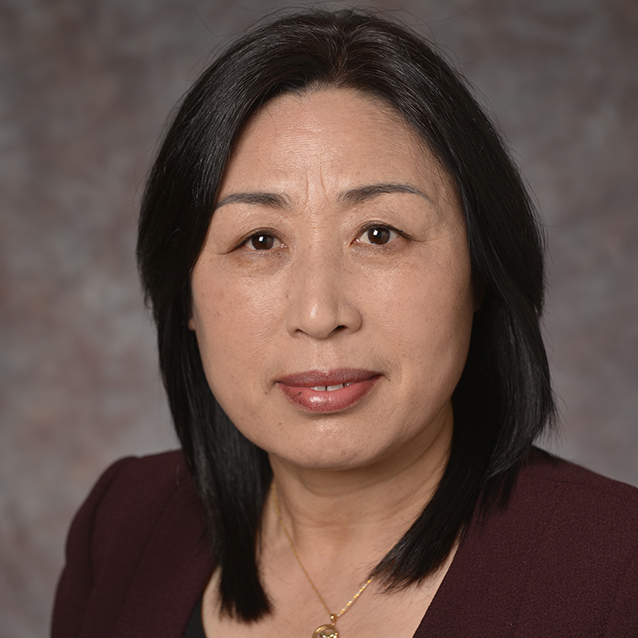
Subject Editor
Bingru
Huang
Department of Plant Biology Rutgers, The State University of New Jersey, New Brunswick, USA
Areas of expertise: carbon/hormone/antioxidant/protein metabolisms, functional genomics, stress physiology, water relations
huang@sebs.rutgers.edu Research webpageHandling Editors

Jean-Christophe
Avice
Ecophysiologie Végétale et Agronomie, University of Caen Normandie, France
Areas of expertise: N & S Use Efficiency, nutrients remobilization
jean-christophe.avice@unicaen.fr Research webpage
Petronia
Carillo
Dept. of Environmental, Biological and Pharmaceutical Sciences and Technologies, University of Campania “Luigi Vanvitelli”, Italy
Areas of expertise: and biostimulants, crop physiology, metabolic profiling, N metabolism, osmolytes, salt stress
petronia.carillo@unicampania.it Research webpage
Antonio
Ferrante
Institute of Crop Science, Sant’Anna School of Advanced Studies of Pisa, Italy
Areas of expertise: abiotic stress, Biostimulants, plant hormones, plant senescence, protected cultivations
antonio.ferrante@santannapisa.it Research webpage
Tzu-Pi
Huang
Academy of Circular Economy, National Chung Hsing University Nantou, Taiwan
Areas of expertise: Bacillus, biocontrol, biofilm, biopesticide, biostimulant, bofertilizer, pesticides, plant pathology, quorum sensing, Streptomyces
tphuang@nchu.edu.tw Research webpage
Grmay Hailu
Lilay
Department of Plant and Environmental Sciences, University of Copenhagen, Denmark
Areas of expertise: biofortification, micronutrients, nano-fertilizers, nanotechnology, plant nutrition, rhizosphere, Zn sensing and regulation
lilay@plen.ku.dk Research webpage
Jingjin
Yu
College of Agro-Grassland Science, Nanjing Agricultural University, China
Areas of expertise: abiotic stress tolerance, carbon dioxide enrichment, gene regulation, metabolomics
jingjin_yu@126.com Research webpageField Phenotyping

Subject Editor
Onno
Muller
Institut für Bio- und Geowissenschaften (IBG), Forschungszentrum Jülich, Germany
Areas of expertise: non-invasive field phenotyping, shoot dynamics
o.muller@fz-juelich.de Research webpage